
Precious Metals Learning Center
Selling Bullion: The Market, Prices, and What to Expect
If and when you decide to sell your bullion coins, you'll enter a well-established and competitive market with multiple options for when, where, and how to transact. Potential buyers include national online dealers, regional firms, local coin shops, and other market participants.
Pricing for gold and silver coins is anchored to the current spot price, but sellers receive a bid price. The bid price is typically below the spot price to account for liquidity, inventory management, and operating costs. Because spot prices are dynamic, bid prices may fluctuate throughout the day.
It's also important to understand that not all coins are equally liquid. Even when metal content, weight, and purity are identical, widely recognized, government-minted coins (American Eagles and Canadian Maple Leafs, for example) typically command stronger bid prices because of their consistent demand. Less recognized products may be comparatively less, reflecting the additional effort or time required for resale. As a result, highly recognizable formats often provide greater flexibility and more selling options in a competitive marketplace.
The transaction process is straightforward. After selecting a buyer, you'll confirm key details including coin type, weight, and quantity, to receive a quote. Many dealers allow you to lock in pricing at the time of agreement to remove exposure to short-term market fluctuations. Transactions may be completed in person or through secure, insured shipping. Upon receipt, the coins are verified using established procedures to ensure accuracy. Once completed, payment is typically issued via ACH, wire, check, or, in some cases, cash—delivering a smooth and reliable experience for both sellers and dealers.
Reference
Precious Metals Glossary
Key terms and concepts for understanding precious metals markets.

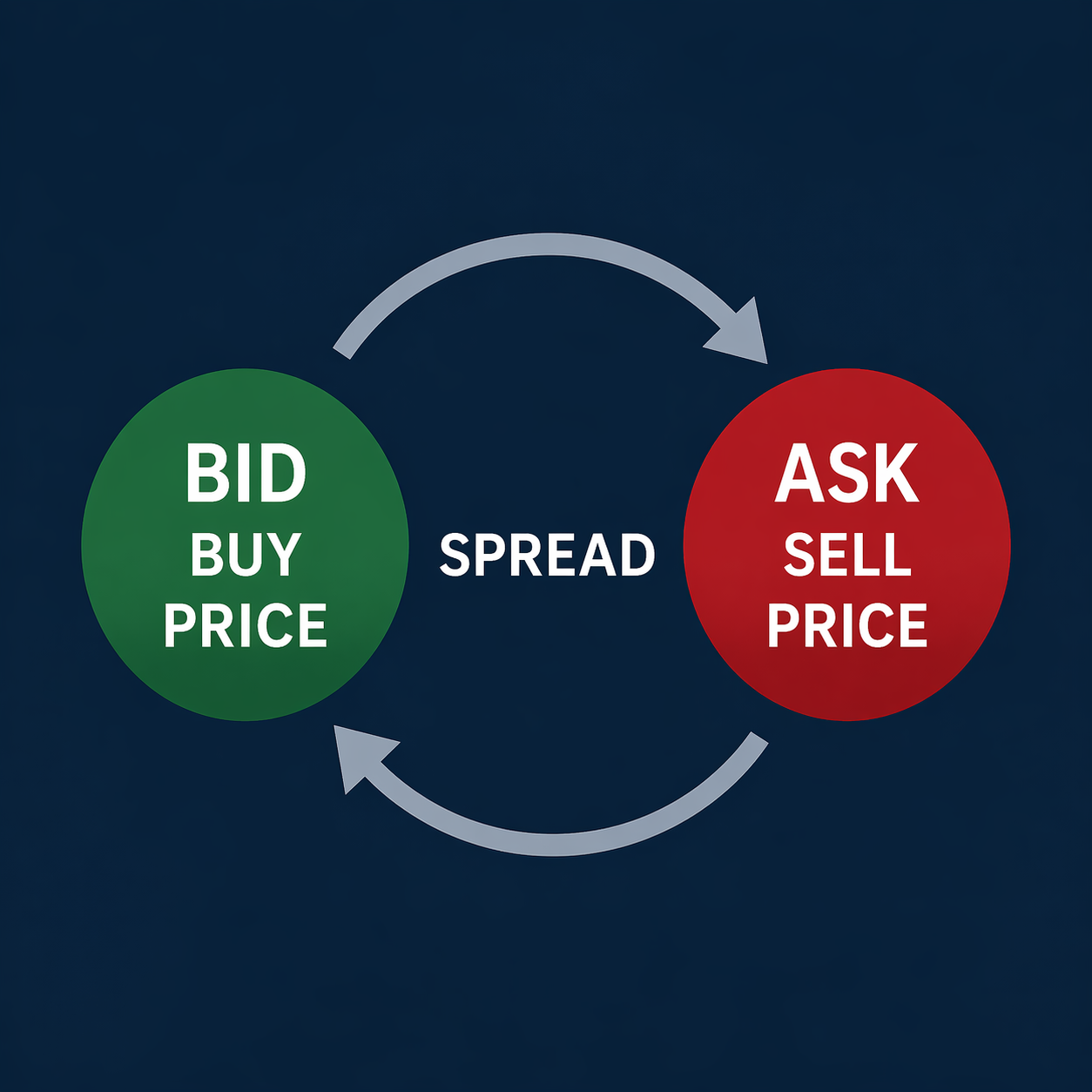
Bid / Ask
The bid is the highest price a buyer will pay; the ask is the lowest price a seller will accept.
In precious metals, the bid represents what a dealer will pay to buy your metal, and the ask is what they charge to sell it to you. The difference is the dealer's spread.
"Current bid: $3,395 · Ask: $3,415"

Bullion
Gold, silver, platinum, or other precious metals valued primarily for their metal content rather than collectible rarity.
Bullion is commonly produced as coins, bars, or rounds and is priced based on its weight and purity relative to the spot price of the underlying metal, plus a premium. Unlike numismatic or collectible coins, bullion's value is driven by its intrinsic metal content rather than scarcity, condition, or historical significance.
"Most investors begin with widely recognized bullion products such as 1 oz gold or silver coins."

COMEX
The Commodity Exchange, a division of CME Group, where gold and silver futures are traded.
COMEX is the primary price discovery mechanism for gold and silver globally. Futures contracts traded here influence spot prices worldwide and serve as the benchmark for physical pricing.
"COMEX gold futures closed higher on strong institutional buying."

Generic Round
A privately minted precious metals disc that is not legal tender.
Generic rounds typically carry lower premiums than sovereign coins but may be less liquid and harder to authenticate.
"Generic silver rounds often trade at $2-3 over spot."
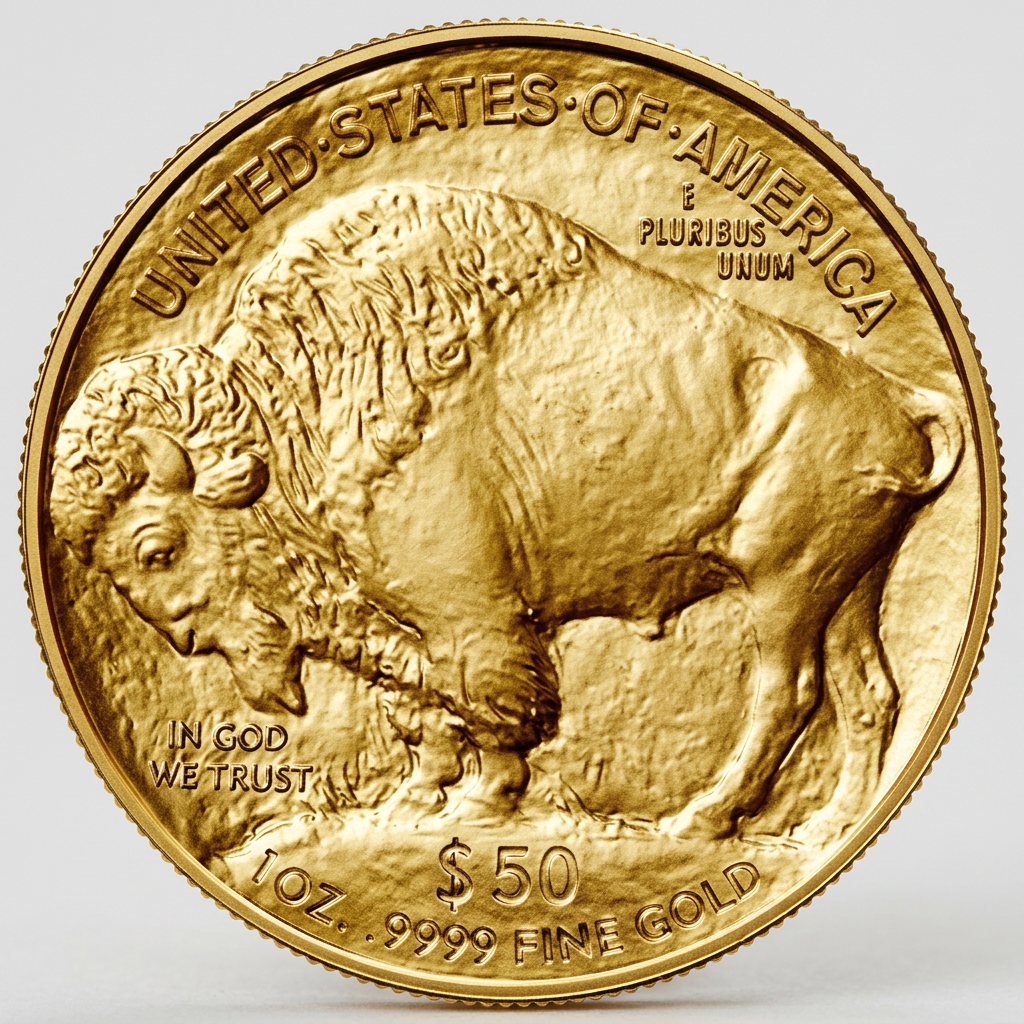
Gold Buffalo Coin
A 24-karat (.9999 fine) gold bullion coin produced by the U.S. Mint, first issued in 2006.
The Gold Buffalo is the first .9999 fine gold coin struck by the U.S. Mint. Its design features James Earle Fraser's classic Native American profile and American bison, originally used on the 1913 Type I Buffalo Nickel. It is available in a 1 oz size as a bullion coin, with proof versions occasionally offered in fractional sizes.
"The Gold Buffalo is a popular choice for investors seeking a U.S. Mint coin in pure .9999 gold."
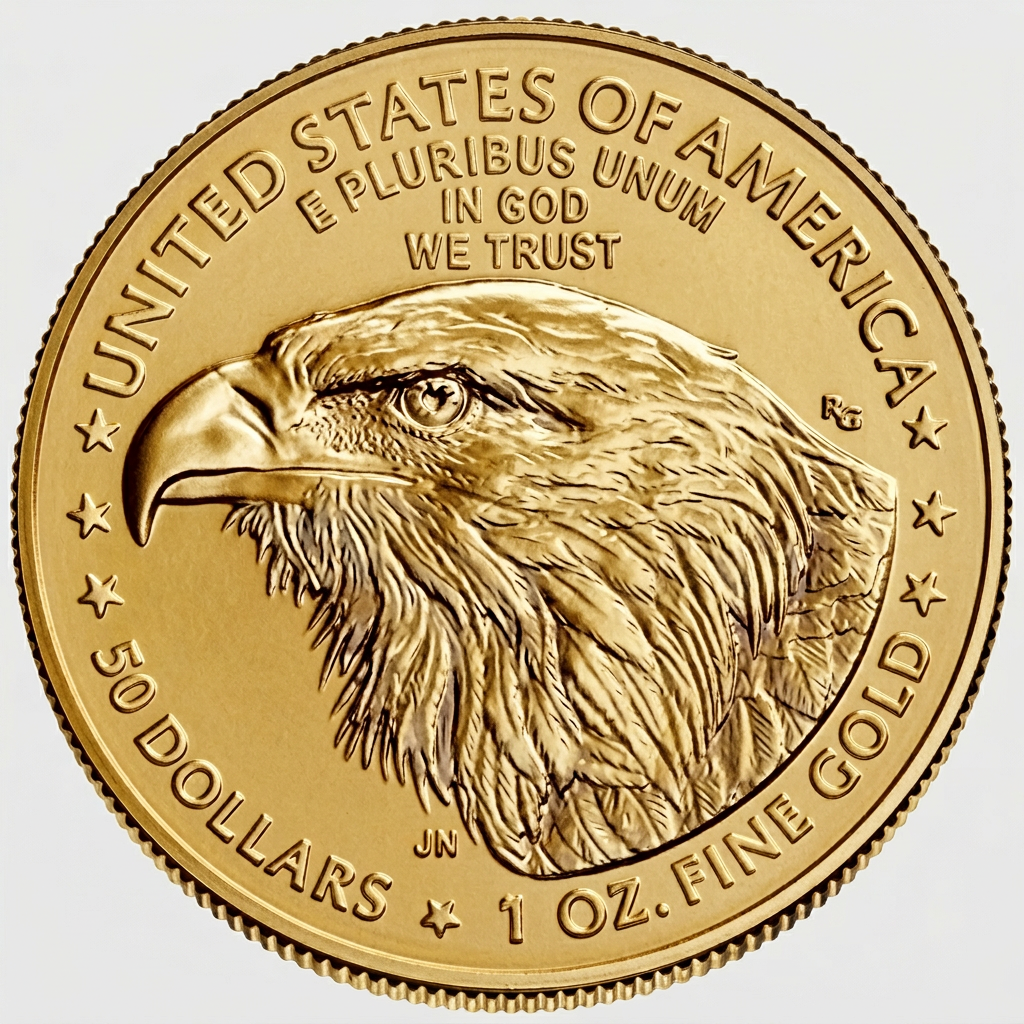
Gold Eagle Coin
A gold bullion coin produced by the U.S. Mint, composed of 22-karat (.9167 fine) gold alloyed with silver and copper for durability.
American Gold Eagles are among the most widely traded gold coins in the world. They carry legal tender status and are available in four sizes: 1 oz, 1/2 oz, 1/4 oz, and 1/10 oz. Each coin's face value is symbolic ($50, $25, $10, and $5 respectively) and well below its metal value. The fractional sizes make Gold Eagles accessible to a wide range of investors.
"A 1/10 oz Gold Eagle is a great entry point for new precious metals investors."
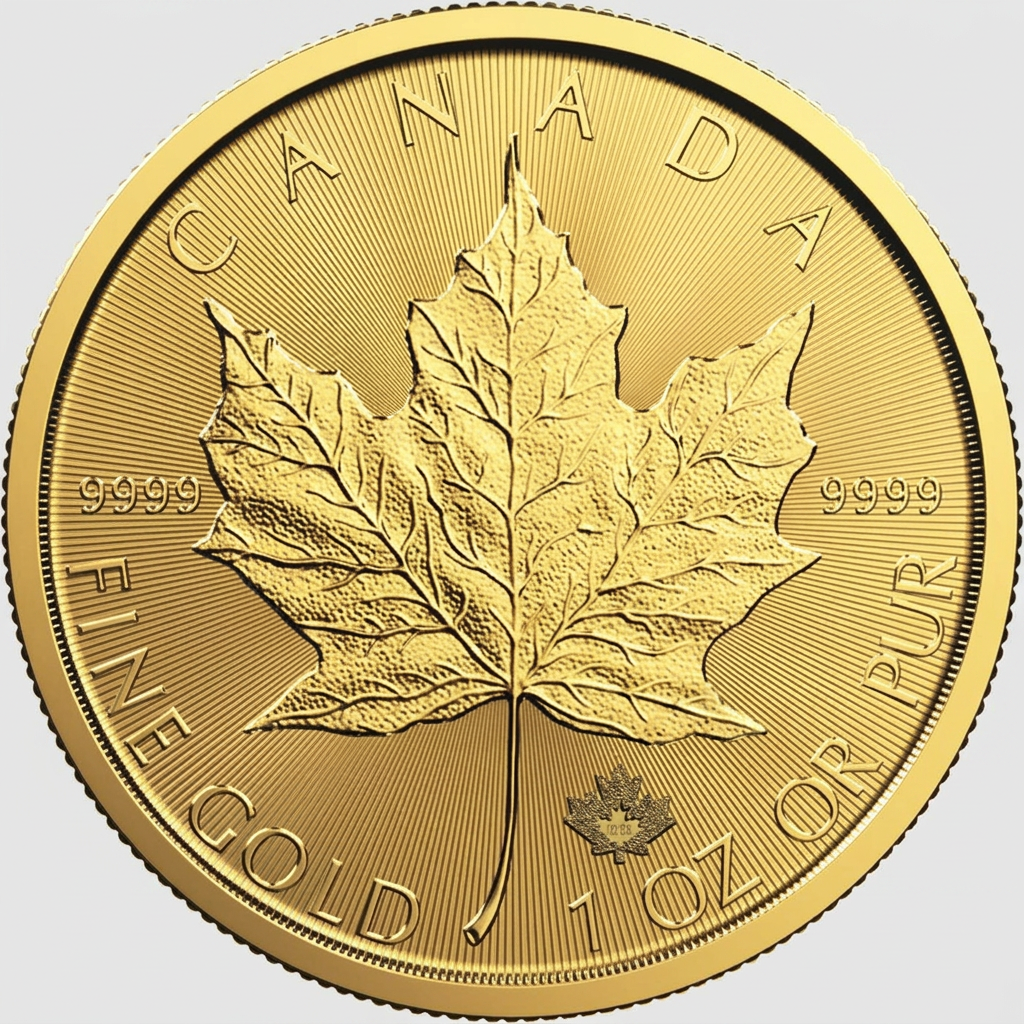
Gold Maple Leaf Coin
A .9999 fine gold bullion coin produced by the Royal Canadian Mint, first issued in 1979.
The Gold Maple Leaf was one of the first .9999 fine gold bullion coins available worldwide. It features advanced security features including micro-engraved laser marks and a radial-line background. Available in 1 oz, 1/2 oz, 1/4 oz, 1/10 oz, and 1/20 oz sizes, offering even more fractional flexibility than many sovereign coins.
"Canadian Gold Maple Leafs are recognized worldwide for their exceptional purity and security features."

Liquidity
How easily an asset can be bought or sold without significantly affecting its price.
Gold is among the most liquid assets globally. Standard sovereign coins and major brand bars tend to be the most liquid forms of physical precious metals.
"1 oz Gold Eagles are highly liquid and recognized by dealers worldwide."
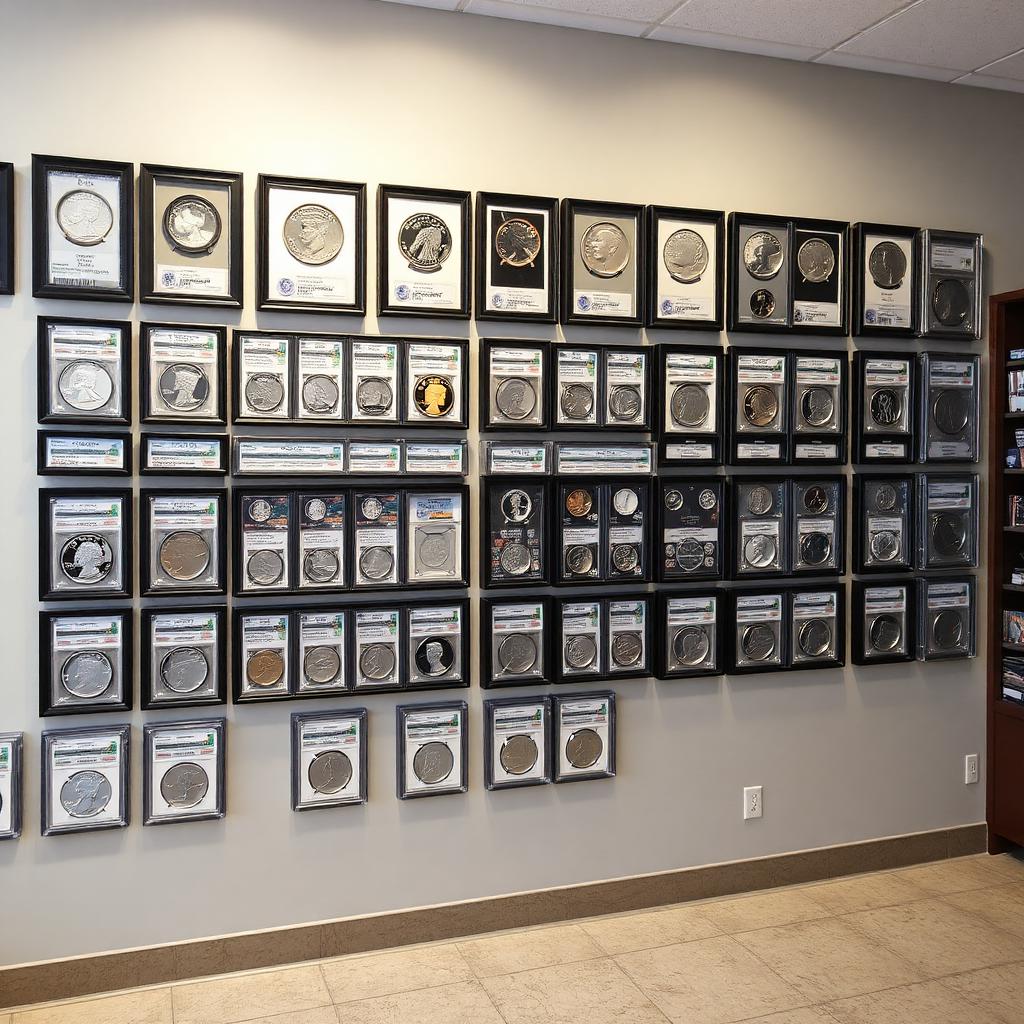
Local Coin Shop (LCS)
An independent precious metals dealer operating a physical retail location.
Local coin shops offer in-person inspection, relationship-based service, and immediate possession. Pricing may vary more than online dealers, and inventory depends on the individual shop.
"My local coin shop had competitive premiums on junk silver this week."
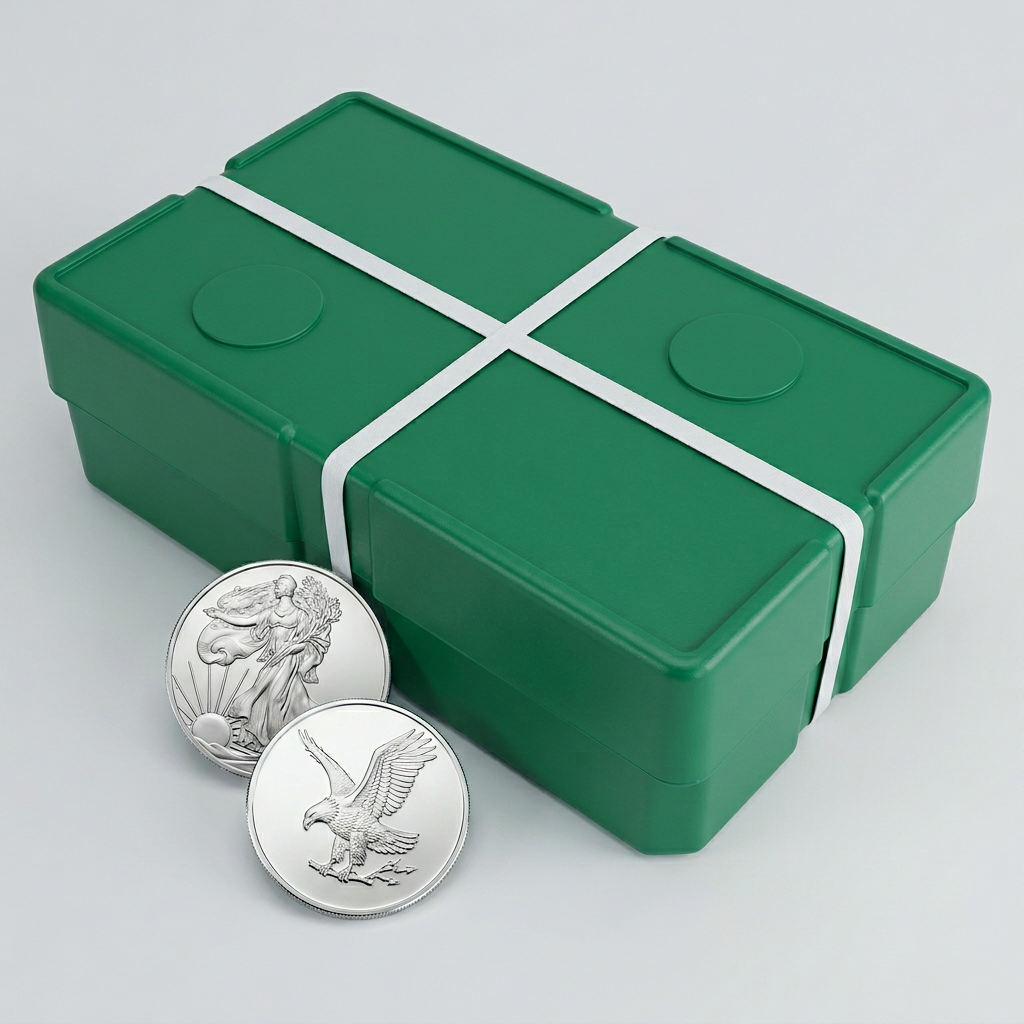
Monster Box
A sealed case of 500 Silver Eagle coins (25 tubes of 20 coins) from the U.S. Mint.
Monster boxes represent the most cost-efficient way to purchase Silver Eagles, as per-coin premiums decrease at volume. They are popular among serious stackers.
"Monster boxes typically offer the lowest per-coin premium for Eagles."
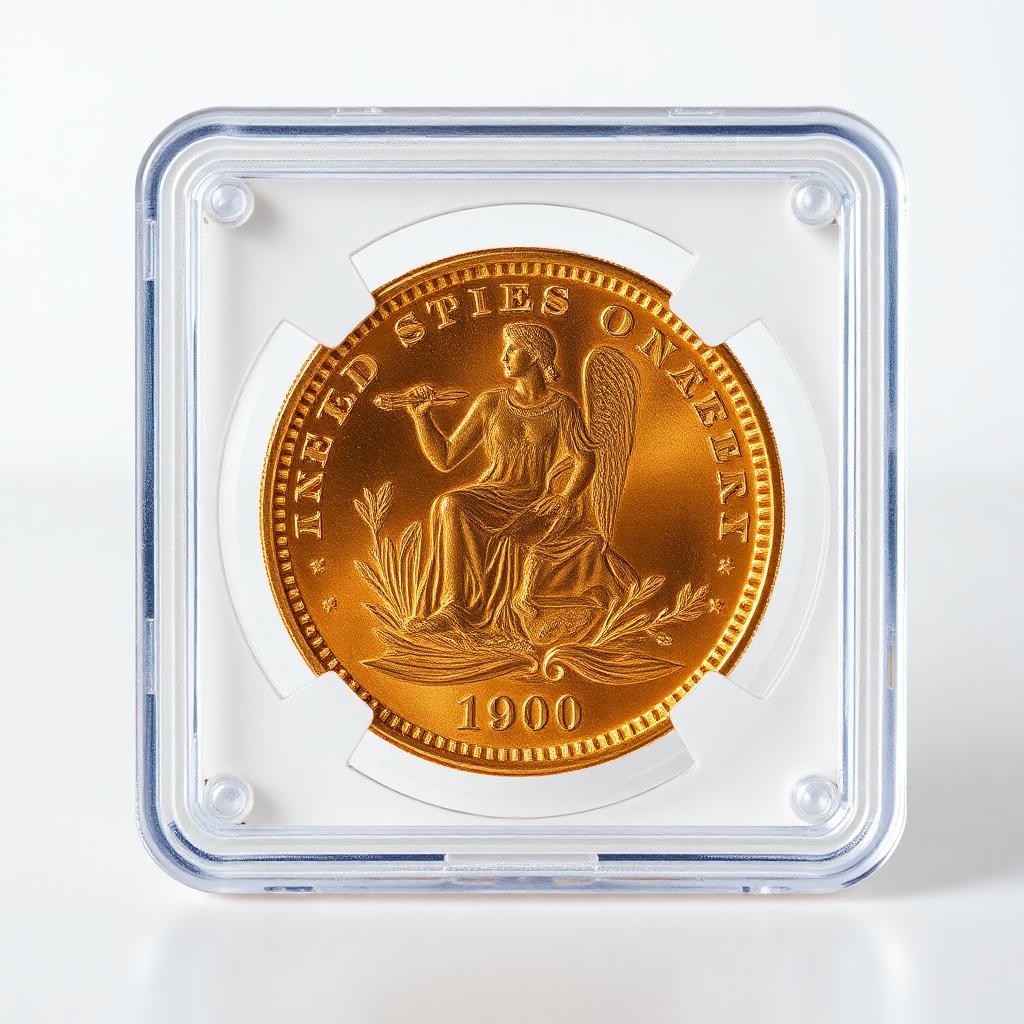
Numismatic Premium
The additional value a coin carries above its metal content due to rarity, condition, or collectibility.
Numismatic premiums can be substantial and are driven by collector demand rather than metal value. They can increase or decrease independent of spot price movements.
"This 1908 Double Eagle carries a significant numismatic premium."

Premium
The amount charged above the spot price for a physical precious metals product.
Dealer premiums exist because spot price reflects the cost of raw metal on futures markets, but physical coins and bars require additional steps before reaching you. These costs include refining raw metal to coin-grade purity, minting or fabricating the finished product, secure storage and insured shipping through the supply chain, and the dealer's operating margin. Premiums vary by product type (sovereign coins typically carry higher premiums than bars), weight (fractional sizes have proportionally higher premiums), market conditions (premiums widen during high-demand periods), and order size (bulk purchases often reduce per-unit premiums).
"This coin carries a 5.2% premium over spot."
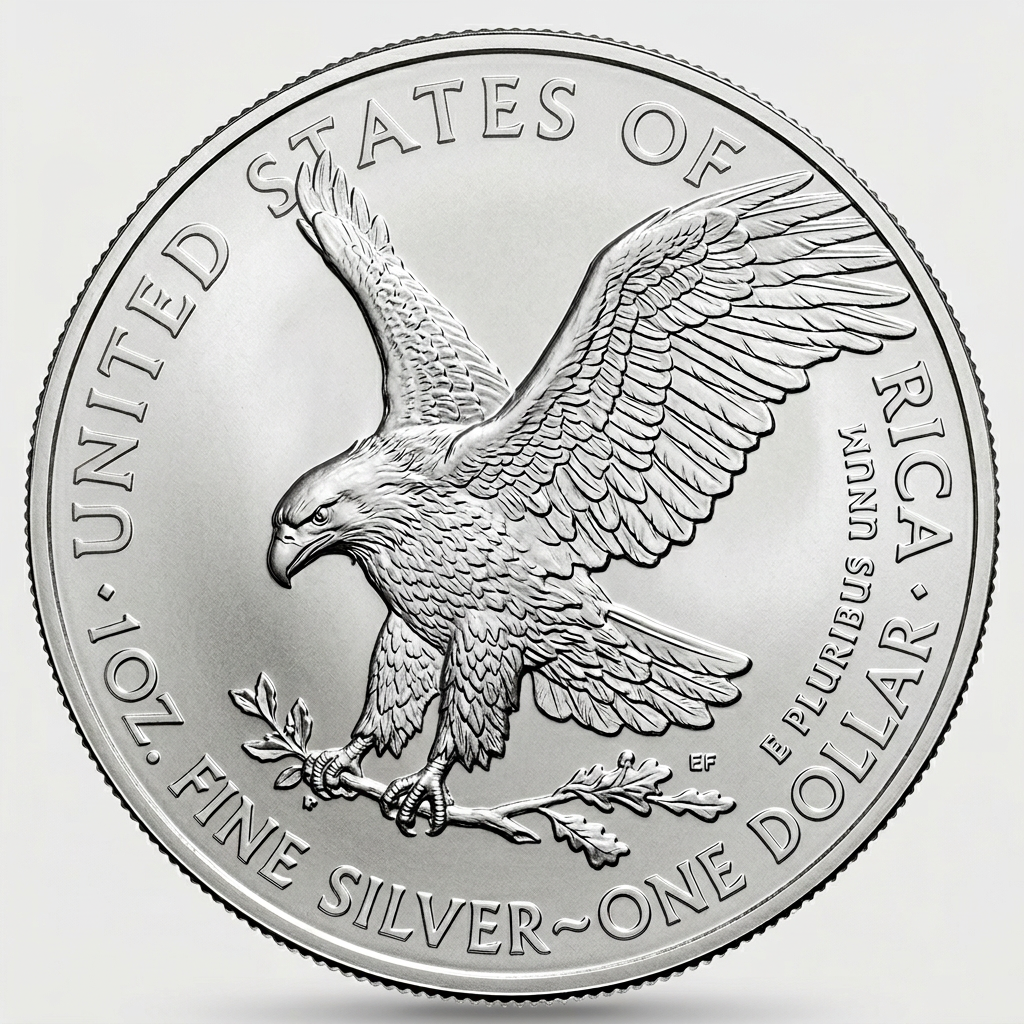
Silver Eagle Coin
A 1 oz .999 fine silver bullion coin produced by the U.S. Mint, first issued in 1986.
The American Silver Eagle is the most popular silver bullion coin in the world. It features Adolph A. Weinman's Walking Liberty design on the obverse. Silver Eagles are available only in the 1 oz size for bullion investors. They carry a $1 face value and are backed by the U.S. government for weight and purity.
"Silver Eagles command higher premiums than generic rounds but offer superior liquidity and recognition."
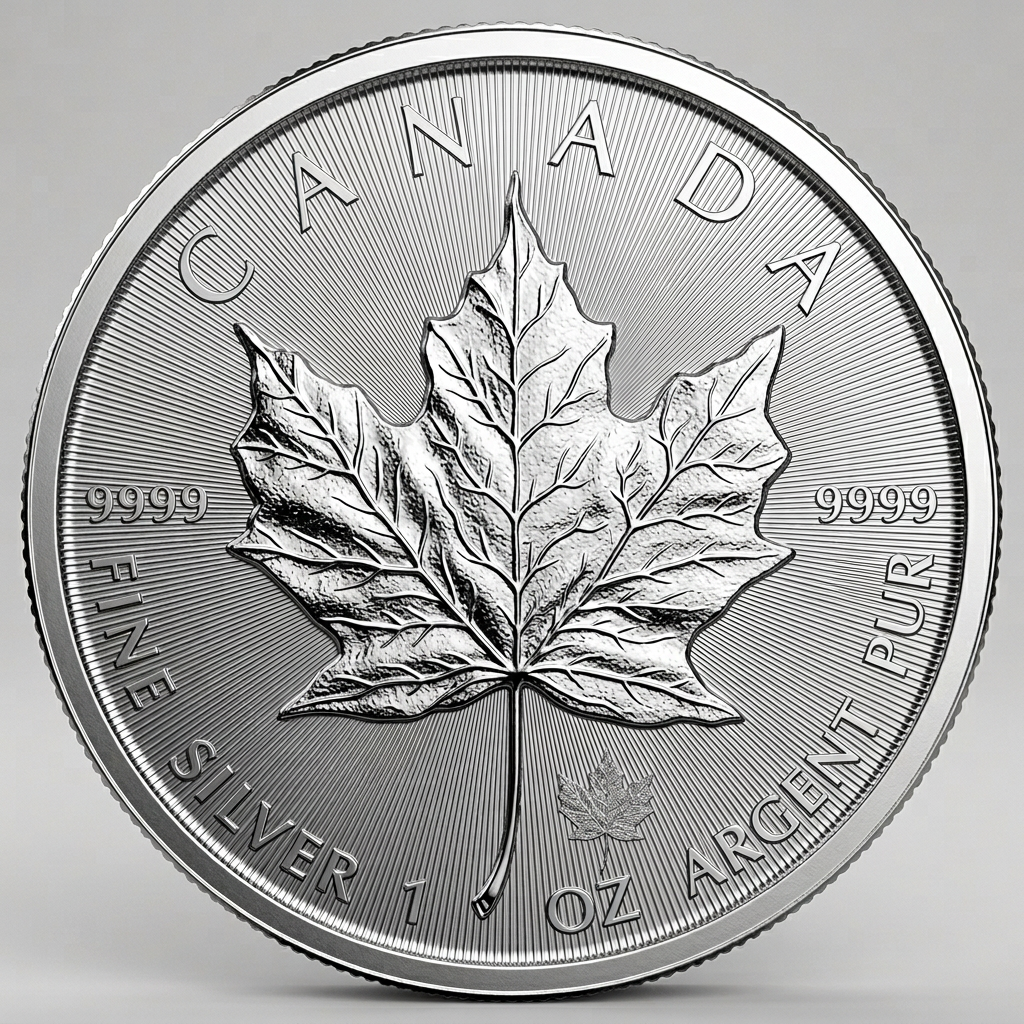
Silver Maple Leaf Coin
A 1 oz .9999 fine silver bullion coin produced by the Royal Canadian Mint, first issued in 1988.
The Silver Maple Leaf is one of the purest silver bullion coins available at .9999 fine silver. It features the same advanced Mint Shield security technology as its gold counterpart, including micro-engraved laser marks. Available in the standard 1 oz size, it is widely recognized and traded internationally.
"Silver Maple Leafs are favored for their .9999 purity and strong buyback market."
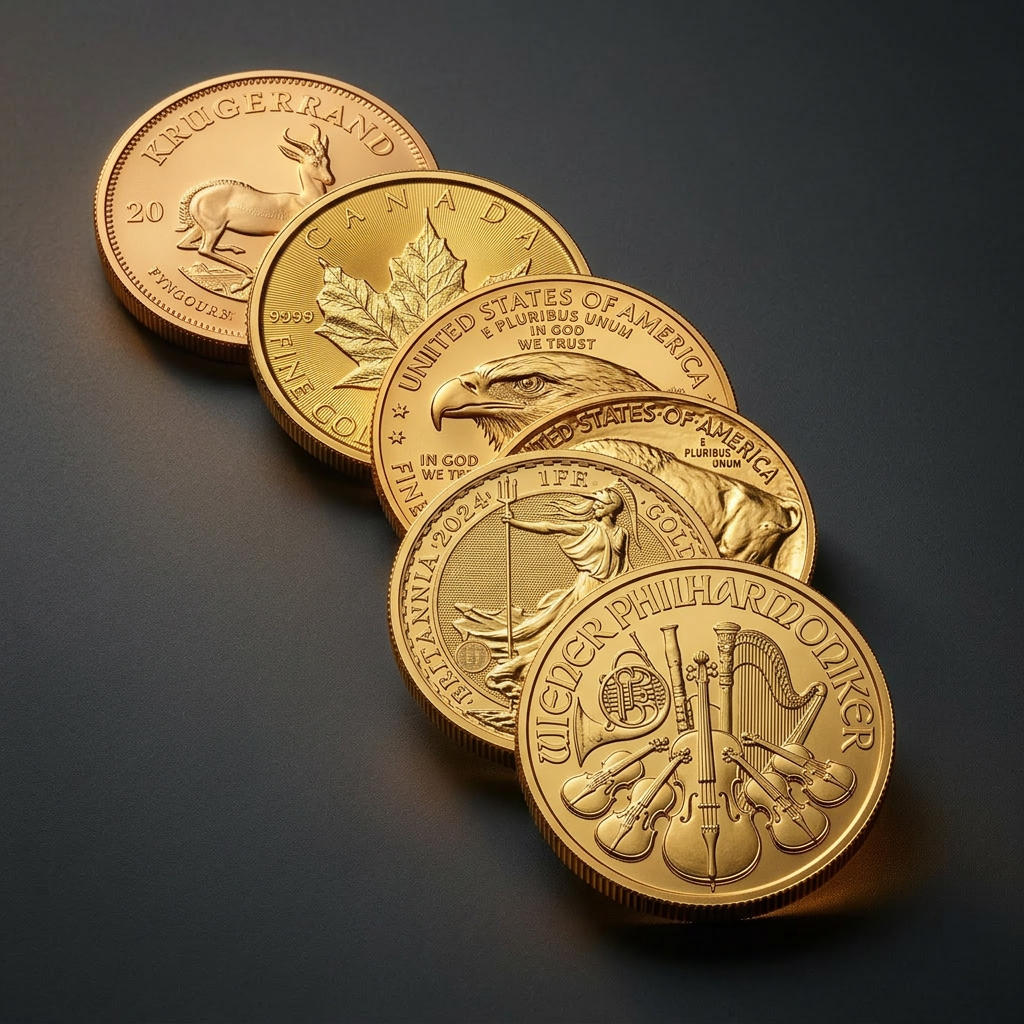
Sovereign Coin
A coin minted by a government mint with legal tender status.
Sovereign coins like American Eagles, Canadian Maple Leafs, and Austrian Philharmonics carry government guarantees of weight and purity. They are generally more liquid and widely recognized than private mint products.
"Sovereign coins typically command higher premiums but offer better liquidity."
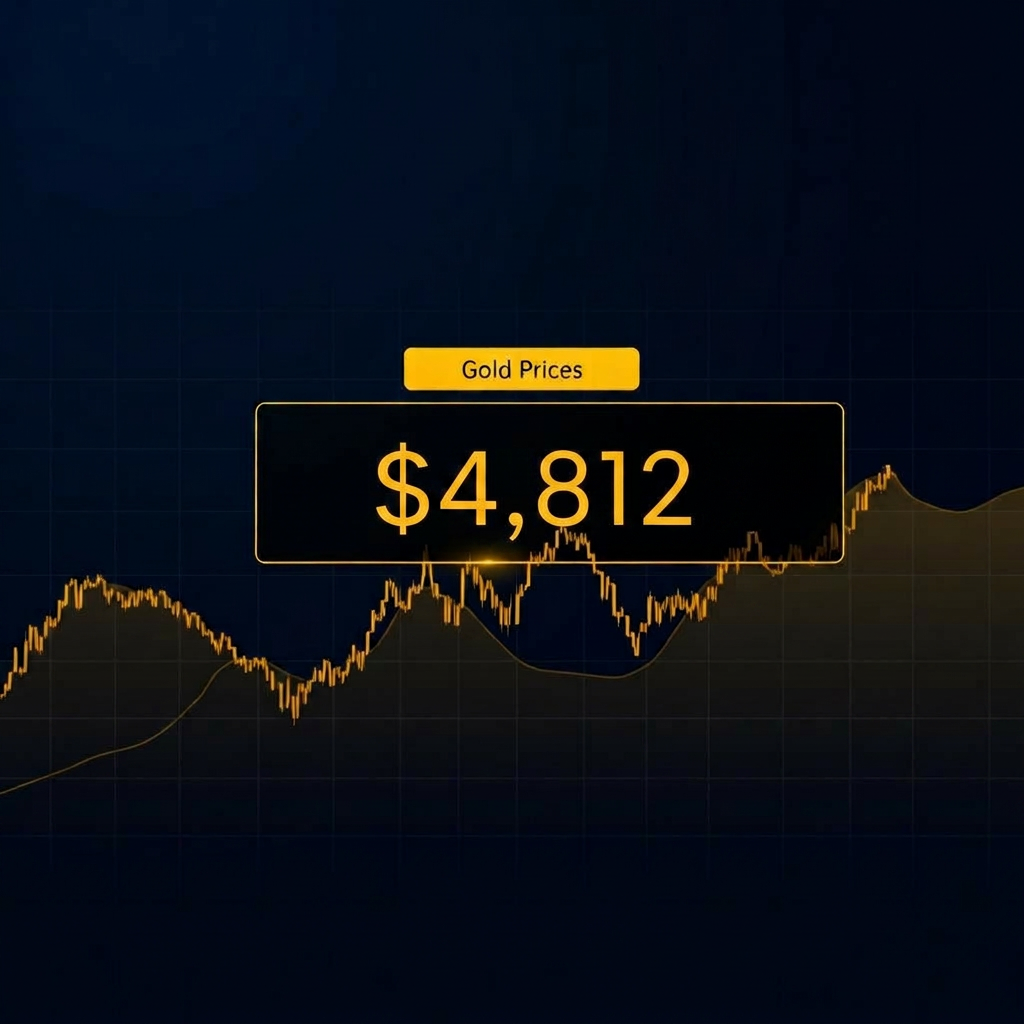
Spot Price
The current wholesale market price at which a commodity can be bought or sold for immediate delivery.
Spot prices for precious metals are set by global futures markets, primarily COMEX. They fluctuate throughout trading sessions based on supply, demand, and macroeconomic factors.
"Gold spot is trading at $4,812 per troy ounce."
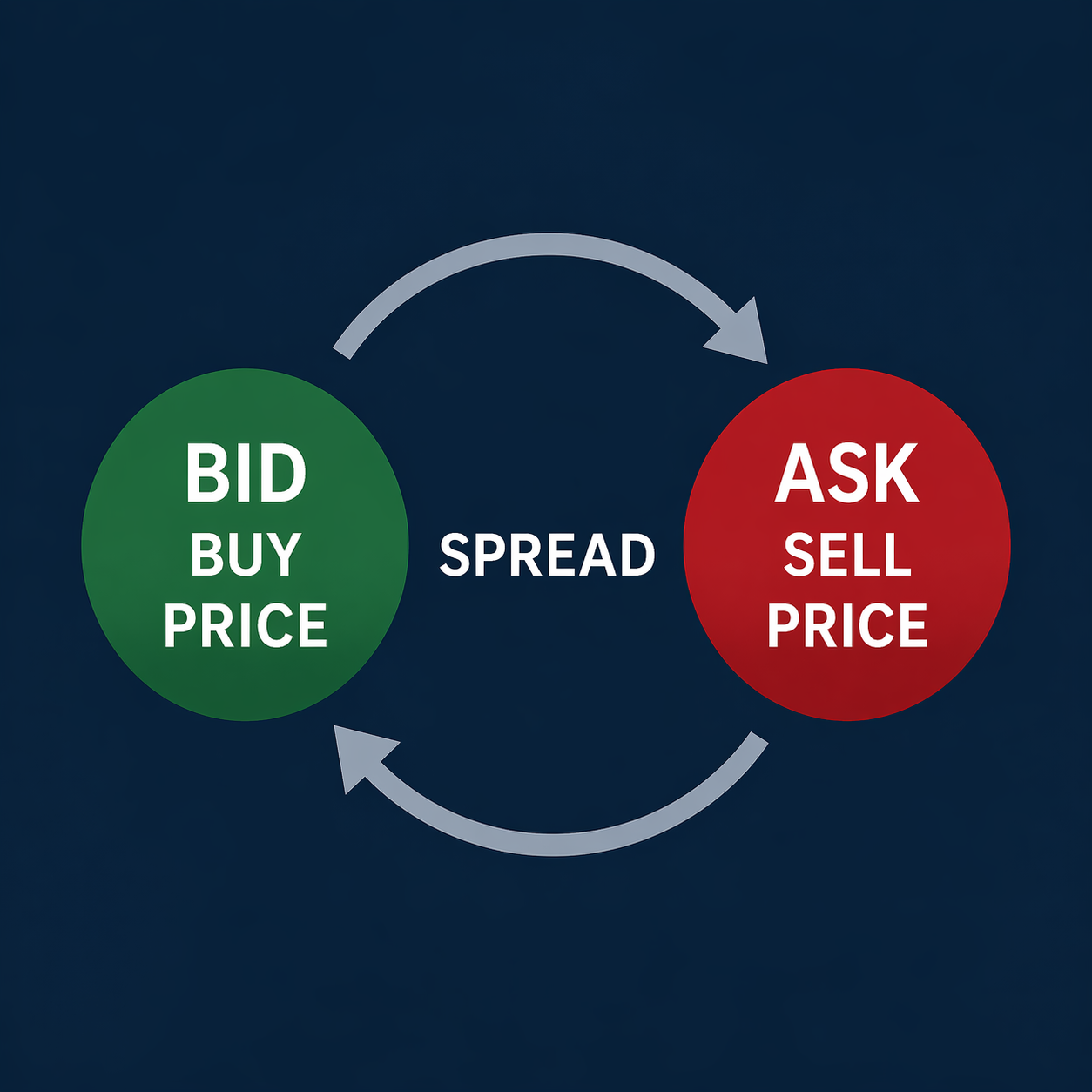
Spread
The difference between a dealer's buy (bid) and sell (ask) price for a product.
Tighter spreads indicate more liquid markets and competitive pricing. Standard bullion products typically have narrower spreads than numismatic or collectible items.
"For example, the bid-ask spread on Silver Eagles might be roughly $1.50–$2.50, depending on market conditions."
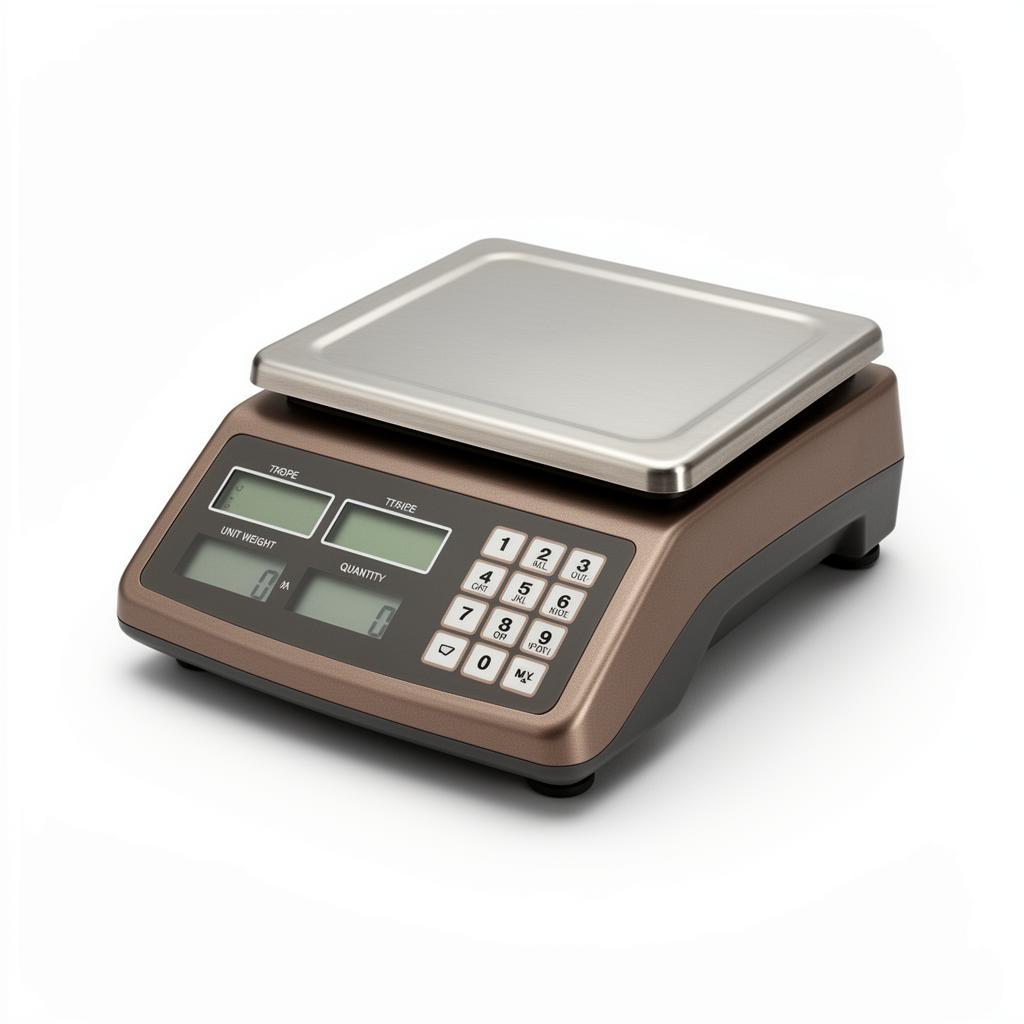
Troy Ounce
The standard unit of measurement for precious metals, equal to approximately 31.1035 grams.
A troy ounce is heavier than a standard (avoirdupois) ounce by about 10%. All precious metals spot prices and product weights are quoted in troy ounces.
"A standard Gold Eagle contains exactly 1 troy ounce of pure gold."

Educational Resource
Precious Metals Learning Center and Investor FAQ
Foundational concepts for investors exploring physical precious metals for the first time.
Curated Research
Selected Research Videos
Carefully selected educational and analytical content from financial sources on the Internet

HUGE Bullion Dealer Breaks Down Silver Crash and What Comes Next
A market discussion on the recent silver pullback, with a bullion dealer's perspective on drivers behind the decline, potential downside targets, and how physical demand and premium dynamics may evolve.
Macro Relevance
Provides a dealer-side view of silver volatility and sentiment, useful context for buyers evaluating whether current premiums and spot levels reflect short-term panic or longer-term supply-demand shifts.

Your Gold & Silver Isn't Safe: The Rosland Capital Collapse
A case study of the Rosland Capital Chapter 11 filing, examining the red flags that can precede a dealer insolvency and how commission structures and business practices can put customer holdings at risk.
Macro Relevance
Underscores that dealer reputation and ratings are not a substitute for counterparty due diligence — a key consideration when choosing where to buy and store physical metal.

Gold's Explosive Next Chapter: Why the Real Bull Run Is Still Ahead
A long-form forecast examining the case for a continued gold bull market, walking through central bank accumulation, supply constraints, and a price-prediction framework for the metal.
Macro Relevance
Offers one analyst's macro thesis on where gold prices may head, useful context when weighing long-term allocation against short-term spot moves.

Don't Buy Silver Until You Watch This (7 Warnings)
An independent research firm's analysis of seven common pitfalls silver buyers face, covering premiums, product selection, market timing, and macro context for 2026.
Macro Relevance
Highlights why premium transparency, product liquidity, and macro awareness matter as much as the headline spot price when building a physical position.

The Gold Market Explained (What Most Investors Get Wrong)
A breakdown of how the gold market actually functions — from futures and wholesale benchmarks to physical supply chains, central bank accumulation, and layered ownership structures.
Macro Relevance
Clarifies the critical distinction between owning physical gold and merely having paper exposure, and why price discovery often disconnects from physical availability.

Gold's Role in the Modern Monetary System
A deep examination of how gold functions within the current global monetary framework and why central banks continue accumulating reserves.
Macro Relevance
Understanding the institutional perspective on gold helps frame long-term price dynamics and portfolio allocation rationale.

Silver: Industrial Metal or Monetary Asset?
Analysis of silver's dual role as both an industrial commodity and a monetary metal, with implications for supply-demand fundamentals.
Macro Relevance
Silver's industrial demand component creates unique price dynamics compared to gold, affecting premium structures and availability.

Understanding Precious Metals Market Structure
An overview of how precious metals markets function, from COMEX futures to physical delivery, and how retail pricing connects to wholesale markets.
Macro Relevance
Understanding market structure helps investors make more informed decisions about timing, product selection, and dealer evaluation.
About PreciousMetalsRadar.com
PreciousMetalsRadar.com was created to help new and experienced precious metals buyers better understand observed pricing, retail premiums, and other important cost factors that may affect the final purchase price of physical gold and silver.
The spot price is only one part of the story. Dealer options, product selection, retail premiums, product type, weights, payment method, shipping, taxes, and checkout-level terms are just a few examples of factors that can affect the final acquisition cost and overall buying experience.
PreciousMetalsRadar.com focuses on widely recognized gold and silver coins and uses observed dealer pricing, market data, and educational content to help users evaluate premiums and other acquisition cost factors more thoughtfully. All information on PreciousMetalsRadar.com is educational and should not be considered investment, legal, or tax advice. The role physical gold or silver plays, if any, is dependent upon individual goals, risk tolerance, time horizon, and liquidity needs.
Our Approach
PreciousMetalsRadar.com is designed to compare physical precious metals on a more consistent, like-for-like basis. Observed premium calculations are based on the difference between observed dealer pricing and the relevant spot metal value at or near the time of observation. The approach also considers product attributes including metal type, weight, coin type, year, and payment method where available.
Because dealer pricing and market prices can change frequently, the information on this site should be viewed as a research aid, not a final quote. Final pricing should always be confirmed directly with the dealer at checkout.
Independence
PreciousMetalsRadar.com does not provide financial advice, is not a precious metals dealer, and does not sell gold, silver, coins, or bullion directly.
The platform is intended to be educational, analytical, and designed to support more informed purchase research. Some links on the site may be affiliate links, which means PreciousMetalsRadar.com may receive compensation if a user clicks through or completes a transaction. This does not affect observed premium calculations or the educational content presented on the site.
Who Is Behind the Platform
PreciousMetalsRadar.com was founded by a business and technology executive with extensive experience in partnerships, go-to-market strategy, data-informed marketing, and complex B2B ecosystems.
That background shaped the platform’s purpose: make complex information easier to understand, compare options more clearly, and help users ask better questions before making a purchase decision.
Important Note
PreciousMetalsRadar.com provides informational and educational content only. It does not provide financial, investment, tax, legal, or retirement advice. Users should verify all pricing, availability, product details, and final transaction costs directly with the dealer before purchasing.